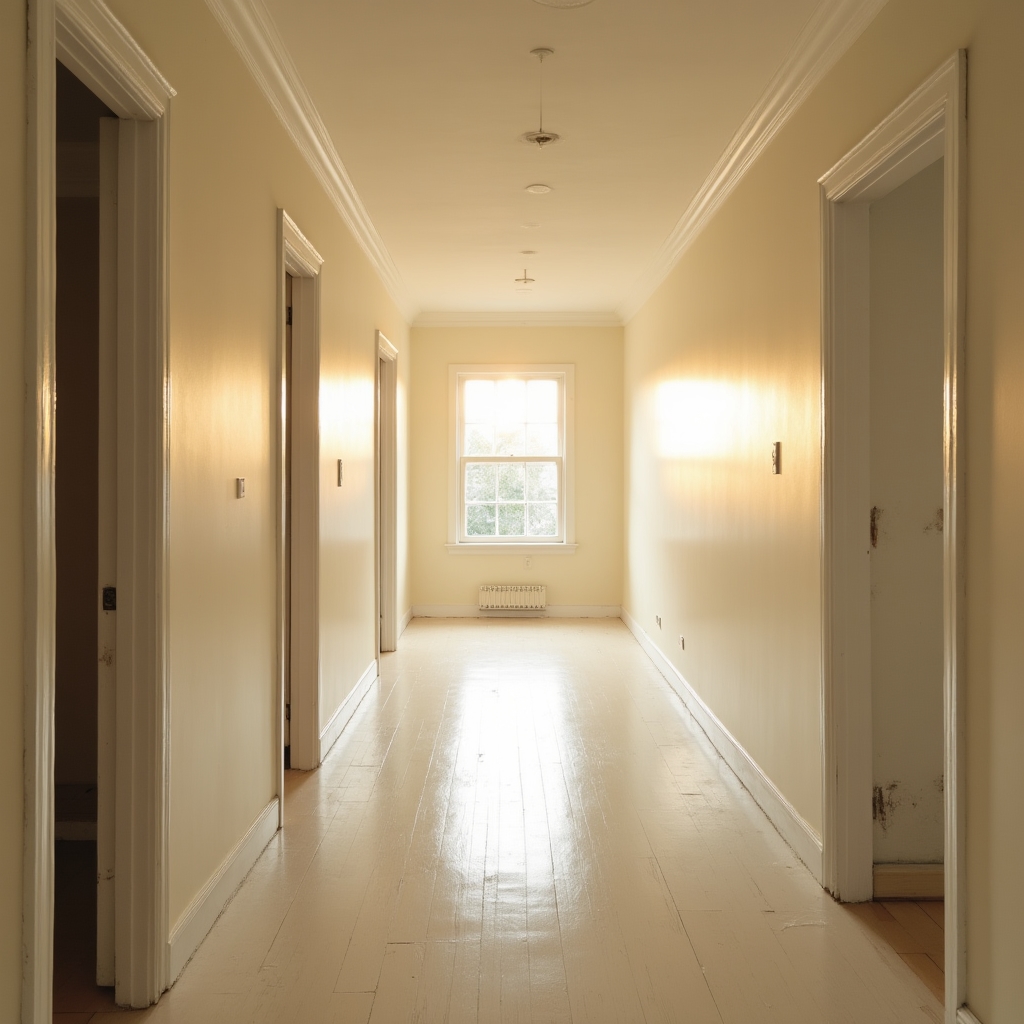
 post-paint inspection
Why interior painting is a maintenance item, not a renovation
In Argentine residential buildings, interior painting of individual units is typically the responsibility of each unit owner, not the building administration. However, building administrators often field questions about recommended practices, timing, and service quality — particularly when units change hands or tenants turn over.
Understanding painting as a maintenance item — something that happens on a predictable cycle rather than as a response to visible deterioration — changes how it gets planned and budgeted.
Maintenance vs. renovation: A full interior repaint between tenants is maintenance. It restores the unit to a known baseline condition. Renovation changes the baseline. The distinction matters for planning, budgeting, and how the work is communicated to co-owners or boards.
When interior painting is typically needed
-
Between tenants
The most common trigger. A unit that has been occupied for one or more rental periods will typically show wall scuffs, anchor holes, and general wear that a repaint addresses before the next tenant viewing.
-
After repairs or water damage
Plumbing repairs, humidity remediation, or ceiling work often leave surfaces that require repainting to restore a uniform appearance.
-
Pre-sale preparation
Owners preparing a unit for sale often repaint to present the property in its best possible condition for viewings and photography.
-
Periodic maintenance cycle
Some owners and administrators plan a full interior repaint on a defined cycle — typically every two to three rental periods — regardless of visible condition, as a proactive maintenance practice.
What building administrators should know about coordinating painting
When multiple units in a building are being painted around the same time — common during building-wide tenant turnovers — there are practical considerations for administrators:
-
Elevator and common area access
Painting crews carry equipment and materials. Coordinating access schedules across multiple units in the same building reduces conflicts and protects common areas.
-
Waste disposal
Plastic sheeting, tape, and packaging from painting materials need to be disposed of. Clarifying building waste disposal procedures with the crew in advance avoids issues.
-
Noise and ventilation
Interior painting with water-based materials produces minimal odor and noise. However, ventilating the unit during and after work is recommended — coordinating this with neighboring units is courteous practice.
Common questions from building administrators
Can the service handle multiple units in the same building? Yes. When multiple units in the same building need painting, the work can be scheduled sequentially to minimize building disruption while maintaining the same quality and timeline per unit.
How does the crew access the building? Access arrangements are coordinated with the unit owner or designated contact. The crew works within whatever building access protocol is in place.
What happens if a unit has significant damage beyond normal wear? The crew assesses the unit on arrival. Surface conditions beyond normal wear — significant humidity damage, structural cracks, or extensive staining — may require additional preparation time, which is communicated before work begins.